Sad Rain Cloud Embroidery Design
The Sad Rain Cloud embroidery design is a charming addition to any craft fair or handmade market product lineup. Its whimsical, slightly melancholic aesthetic captures the essence of spring, making it a versatile choice for a range of projects. As an experienced embroidery designer, I've evaluated this design with a focus on its visual appeal, practicality, and potential for customer engagement.
First Impressions and Visual Appeal
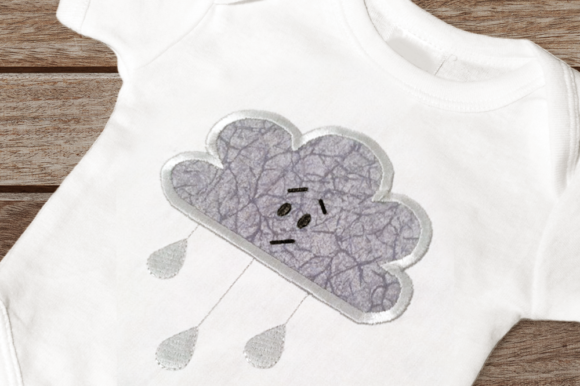
From the first glance, the Sad Rain Cloud design feels soft and approachable. It balances cuteness with a subtle, modern edge that doesn't feel overly childish. The cloud's drooping shape and gentle lines evoke a sense of calm, making it ideal for farmhouse, rustic, or minimalist-themed products. This design has a friendly, relatable quality that can resonate with a broad audience, especially those who appreciate light-hearted, nature-inspired motifs.
Performance on Different Products
When considering where Sad Rain Cloud would stand out in a craft fair booth, tote bags, aprons, and tea towels are natural choices. The design works well as a small accent on a larger piece or as a bold focal point on a smaller item like a patch or fabric pouch. On caps, the cloud's curved shape may require some adjustment for optimal placement, but it still maintains its charm.
- Tote Bag Design: The Sad Rain Cloud adds a unique touch to plain canvas totes, making them eye-catching without being overwhelming.
- Apron Embroidery: A single cloud on the front of an apron creates a subtle yet stylish statement.
- Tea Towel Embroidery: The design fits nicely on the corner of a towel, adding a personal, handmade feel.
- Embroidered Patch: As a standalone patch, it’s perfect for jackets, backpacks, or hats, offering a customizable accessory.
Practical Selling and Production Points
The Sad Rain Cloud design is easy to understand at a glance, which is essential for attracting customers in a busy craft fair setting. It works well as both a small detail and a larger focal piece, giving sellers flexibility in how they incorporate it into their products. For online listings, the design photographs well, especially when paired with complementary thread colors and clean backgrounds.
When producing in batches, the design’s stitch density is manageable, though care should be taken to avoid over-stitching in dense areas. The simplicity of the design makes it repeatable and efficient for commercial embroidery, ensuring consistent quality across multiple items.
Careful-Use Notes
While the Sad Rain Cloud design is generally straightforward, there are a few considerations to keep in mind. Tiny details may not hold up on thick or textured fabrics like denim or woven towels. On dark fabrics, the contrast between the cloud and background should be carefully tested to ensure visibility. Additionally, the design may lose clarity when scaled down, so it’s best suited for medium to large sizes.
For curved surfaces like caps, the design might need slight adjustments to maintain its shape and proportions. When working with small shop products, using the right stabilizer and checking the hoop size before production is crucial for achieving a clean, professional finish.
Impact on Customer Engagement and Branding
The Sad Rain Cloud design enhances the visual appeal of any product it’s applied to. Its friendly, expressive nature draws attention and encourages conversation, which is valuable for booth displays. As a handmade product, it reinforces the idea of thoughtful, personalized craftsmanship, helping to build brand consistency and customer loyalty.
For Etsy sellers and boutique makers, this design offers a unique selling point that can differentiate their offerings from more generic patterns. Its versatility allows it to fit into various themes and styles, making it a reliable addition to a digital embroidery file collection.
Embroidery Designer Notes
Before finalizing any product, I recommend testing the Sad Rain Cloud design on scrap fabric to assess how it looks in real life. Checking thread colors against the intended fabric will help ensure the design stands out without clashing. Reviewing spacing and stitch density is also important to avoid puckering or distortion.
Confirming the correct hoop size and using the appropriate stabilizer will improve the overall quality of the finished product. Creating at least one real mockup—such as an embroidered tote or apron—will give a better sense of how the design translates to actual use. Comparing fabric colors and checking commercial licensing terms are also essential steps before selling.